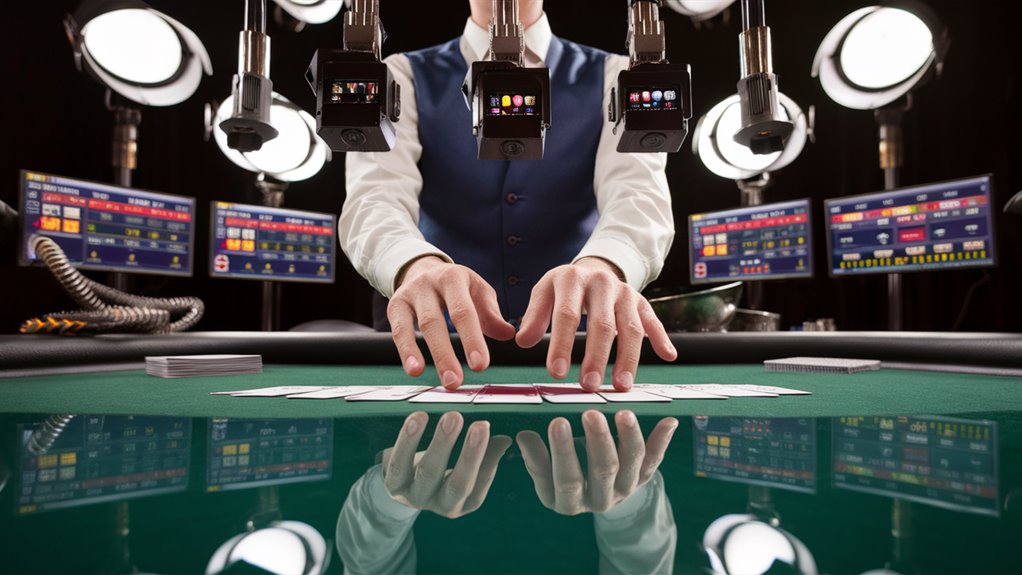
How Live Dealer Games Work: Tech at its Best
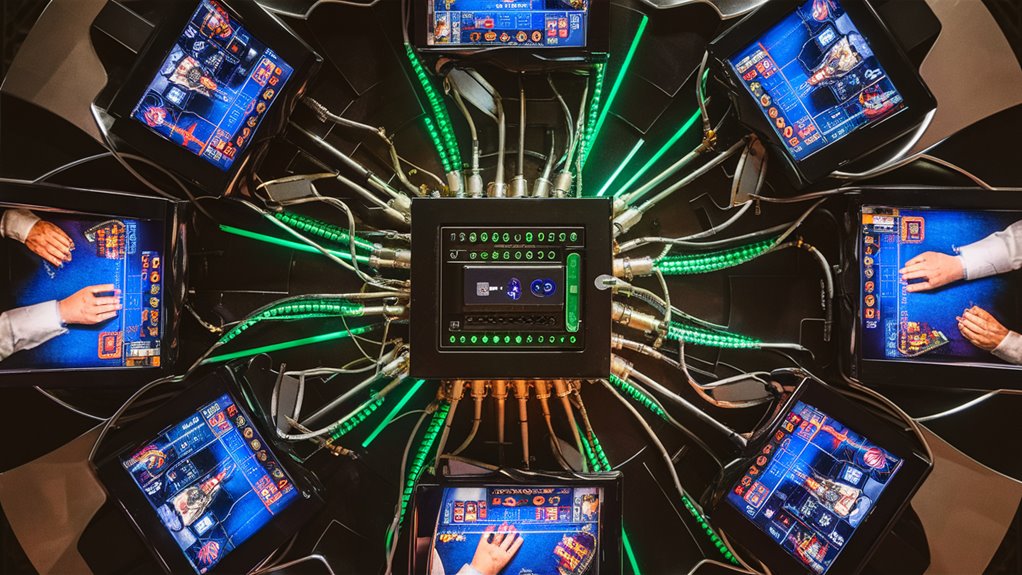
The Tech Core of Live Casino Games
Live dealer games use top tech to feel like a real casino. The key is high-def video streaming at 30 frames per second and very low delay (under 100 milliseconds). This makes sure players and dealers can talk without waiting. 공식 검증 방법 보기
Smart Systems for Safety and Play
Optical Character Recognition (OCR) tracks the game flow at 120+ frames per second. RFID tech and blockchain checks keep the game fair. High-level encryption keeps all player deals and game data safe.
Making the Player’s Screen Better
Today’s live casino screens put the player first by using space smartly and showing 60-70% of the screen for the live game. Controls for bets are made for touch and take just 2.8 seconds to use, which makes playing smooth and keeps players happy.
Keeping Games Fair and Smooth
Top-notch random number generators and live checks make every game fair. Great platforms are known for solid tech and always making players come back, thanks to careful engineering and blending many smart techs well.
Keeping Numbers and Games in Check
Live games mix real dealer moves with digital checks to keep things true and safe. This mix is why top platforms are trusted for their great performance and player trust.
What’s Underneath Live Games
Live casinos rely on advanced video streaming and data management technology to provide an immersive experience.
What Powers Live Casino Games
Video as the Game’s Heart
High-def streaming is central in live casino games. Strong servers send out smooth video at 30 frames, making sure the game looks good. Smart tech shrinks data needs while keeping the video nice, even when the internet is slow.
Controlling and Working With Data
The Game Control Unit (GCU) is key in linking physical and digital play. This uses:
- RFID tech to track chips
- OCR for spotting cards
- Sensors for watching tables closely
- Fast data changes for quick game results
Safe and Fast Game Tech
Layers of safety steps keep all game steps safe with strong encryption, keeping data safe as it moves. The setup uses:
- Systems to keep data flowing smoothly
- Fast response times, under 100ms
- Groups of servers for busy times
- Live link-ups between video and player moves
Keeping Everything Running
The system keeps going 99.9% of the time with:
- Extra servers ready
- Smooth links between different parts
- Smart pay tech
- Quick, up-to-date syncing
- Backup plans for system trouble
All these parts make sure the live game feels real and works well, making sure everything runs without a hitch.
Video and the Numbers That Run the Game
The Video and Data in Live Casino
Dual Ways to Stream
Live casinos have a clever double setup streaming high-quality video at 12-15 Mbps and important light game data at 50-100 Kbps. The video part uses H.264/HEVC tech to keep the picture clear but not use too much data. The smaller data part handles important details like card numbers, bet spots, and game results with smart setups.
Tech and How It Performs
Extra servers and good network fishing make sure content comes without delay and adjusts quality by connection speed. The setup hits top marks with 1-2 seconds of video delay and data delay under 100ms. This smart framework keeps key game parts and heavy video separate but working fine together.
Real-Time Data Sending Rules
The system uses WebRTC tech mixed with custom real-time plans. Timed links put stamps on both streams, making sure events line up right. This strong setup lets many play at once while keeping each game exact and smooth.
Important Numbers
- Video Stream Speeds: 12-15 Mbps
- Game Data Speeds: 50-100 Kbps
- Video Delay: 1-2 seconds
- Data Delay: <100ms
- Shrink Data Size: H.264/HEVC
- Plans: WebRTC with custom fixes
Seeing and Tracking in Games
How Optical Character Recognition (OCR) Helps Casinos
OCR in Live Games
Optical Character Recognition (OCR) is key in new casino games, making real-time digital copies of game steps at 120+ frames per second. This smart tech changes real game bits to digital info with 99.9% right, changing how live casinos work.
Card Spotting and Keeping Track
OCR is real good in card games, using smart learning from lots of card images. It works well in all lights, noting:
- Card types and suits
- Dealer moves
- Where things are on the table
- Checking the order of cards
Working With Game Control Systems
OCR and Game Control Units (GCUs) work together well. Important numbers:
- Fast matching with player screens, under 100 milliseconds
- Live checks against set card lists
- Smart links with back-end systems
- Detailed records and info checks
This smart OCR setup keeps games fair and changes game stuff to digital fast, helping casinos run smooth and follow rules.
Understanding How Numbers Make Games
How Casinos Use Random Number Generation (RNG)
RNG Basics in Modern Casinos
Random Number Generation (RNG) tech is vital, especially for online games and live dealer set-ups. This clever tech uses smart math methods to make numbers that can’t be guessed, setting game steps from shuffling cards to rolling dice.
Main Ways RNG Works
Using Real-World Randomness
Real RNG devices take hints from nature like air noise or breaking atoms to make true random numbers. This way is real random but needs special gear and care to keep it going right.
Making Near-Random with Software
Pseudo-RNG programs rely on tough math to make number lines that seem random. Even though it’s set, these systems give good randomness that meets set rules for fair games and unplanned results.
Bridging and Checking RNG Tech
Top game sites use mixed RNG tech that puts both methods together. These systems must pass hard tests, keeping confidence high over 95%. Running at high speeds, every number made goes through many checks before turning into game moves, making sure every play is fair and efficient in live game settings.
Inside Game Control Units
Gaming Control Units (GCU) and How They Run Casino Games
Main Bits and Jobs of Casino GCUs
The Game Control Unit (GCU) is like the brain for live dealer games, handling lots of data at once. This smart setup links video, RFID tech, and special gaming gear for smooth play.
Key Things It Does
Real-time data work happens through:
- OCR and RFID changing real game bits to digital
- Video and data timing so they match up right
- Strong encryption keeping info safe going to players
How Well It Works
Modern casino GCUs are fast:
- Working data in less than 0.1 seconds
- Handling up to 16 live video streams
- Running 99.9% all the time with backup plans
- Keeping a tight check on delay from 0.2-0.5 seconds
Advanced tech lets these units handle tricky gaming work well. Matching real and digital game parts makes sure players see things right.
Stopping Cheats and Keeping Data Safe
How Live Dealer Games Keep Things Safe
Stopping Cheats with Top Tech
Top-notch safety steps in live games use smart cheat-spotting tech built on solid GCU base. AI that spots patterns is very good at catching dodgy bets and card counting as they happen, setting new safety standards.
Watching Close and Keeping Who’s Who Clear
OCR tech keeps an eye on cards while RFID bits in gaming gear send safe data. Teams watching all the time use smart math to spot cheats from how players act within a safe watching space.
Fingers Don’t Lie and Keeping Data on Lock
Top biometric checks make sure both dealers and players are who they say by many steps. Tough 256-bit encryption keeps all data safe, while top-notch cameras watch the table from all sides. They keep video for at least 90 days, making sure everything is recorded.
Locking Down Transactions with Blockchains
Perfect time stamps keep all security bits well noted. Blockchain tech makes sure all game deals are safe and clear, giving top safety and following rules perfectly.
Making the Player Part the Best
How Player Parts in Live Casinos Are Top Notch
Bringing Video and Bets Together
Live dealer casino parts are built to focus on the player, merging real-time video with live betting steps. Smart designs work on any gadget and keep the wait super short (under 200ms) for the best play.
Parts of the Player Area
The best setups have three parts:
- Video streams taking 60-70% of the screen
- Betting spots taking 25-30% of the space
- Social chats taking 5-10% for talking
Betting steps are right next to where the dealer is, making it easy to keep playing while betting. This smart layout cuts down how long players take to decide by 18%.
Getting the Player Area Just Right
It’s all about getting the mix of what works and easy use right. Key numbers:
- No more than 2-3 clicks for any move Designed for Immersion
- Green betting spots drawing 23% more clicks
- Smart bet adding steps
- Hands-free game moves
Big-name setups bring down betting times from 4.2 to 2.8 seconds, keeping players in the game and making everything run smoother.
Playing Across Devices
Games work great on all devices by:
- Changing the screen as needed
- Making touch spots work great
- Adjusting video to fit
- Responsive betting spots


